Composting is the key to any successful gardening.
Mother nature has been composting since the beginning of time. But man has not been able to wait on her time schedule. It takes her 100 - 150 years for a single inch of topsoil to be created. Worms can decrease that to one inch a year, but sometimes we are anxious and need to take matters into our own hands.
So what is composting?
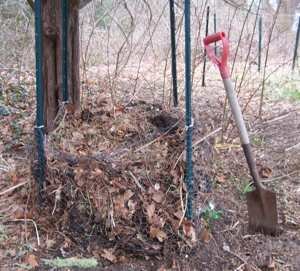 And why do we think it is such an overwhelming activity? It is not. It is truly very simple. All sorts of methods and techniques have been devised to work. And they do. You just have to find that one idea that strikes you as the best. Decide what you need to accomplish and go from there.
Composting is a natural and normal process where organic material is broken down by bacteria and microorganisms. The compost is then added to the soil as an amendment or mulch so that the soil will be improved and plant material will benefit. You can do this with no fear whatsoever because compost is not a fertilizer. In fact compost is very low in nutrient value. The structure of compost is what is most valuable. The goal of any soil composition is to be as near loam as possible. This is ideal. Every soil can use some degree of improvement, and compost will do it.
Why compost? By composting we can recycle yard waste into a very beneficial material, and not fill up the land-fills. Compost will enhance the ability of the soil to hold water. By using compost as a mulch and amendment you will warm up the soil quicker in the spring for planting.
Compost helps keep soil "alive"! All those microorganisms will continue to assist in soil preparation. It is a "miracle material" in many ways.
It seems that everyone has their own methods of composting. They all work.
Here are some basics. Several things must be present in order to have the process work: a site, materials to be composted, oxygen, microorganisms, and moisture. All rolled into one in some happy manner.
The Site
The site for fast compost should be in full sun. The sunlight will keep the compost pile heated up all the more. Things quickly rot with sun and heat. If you are thinking of something a little slower, partial shade or even full shade will do.
However, a compost pile in full shade will take a considerably longer time. But it will happen. In six months to a year, a compost pile in the shade will continually support your gardening needs. The site should also be "out of sight" (but certainly not out of mind). Any place that will allow for good drainage will do. It can merely be a pile or piled in a structure. The structure can be a bin or wood, bricks, pallets, or even a wire cage. As far as size, three to four cubic feet will do.
Fancy need not be a factor. Ease and stability will work better. Gardeners with more land sometimes make little piles all over the place.
Materials
Materials that are excellent for composting are kitchen waste, like coffee grounds, egg shells, canning wastes, things you might throw down the garbage disposal.
Also, garden waste: small twigs, shredded leaves, grass clippings, cow manure, horse manure, rabbit droppings, alfalfa, or gin trash.
Other waste such as: fish scraps, cotton or felt wastes, hair, shredded newspapers, sawdust, pine needles and cones, seaweed, Spanish moss, straw, hay, water hyacinth, wood chips.
Any or all in moderation. Toss like a salad. Try to prevent thick layers that will create matting.
The "compostables" for your compost will be either a greenie or a brownie. "Greenies" are materials that are moist and have a high nutrient value. "Brownies" are brown and will be dry and high in carbon. You should have equal amounts of each for successful compost.
Coffee Grounds
Bread
Cover Crops
Seaweed
Vegetable scraps
Egg shells
Fish
Fish scraps
Grains
Fruit
Weeds
Grass clippings
Hay
Leaves
Straw
Nutshells
Shredded paper
Pine needles
Saw dust
Garden stalks
However, remember that diseased plant materials should be kept out of the compost pile. Also do not use human wastes, meat, bones, fatty foods, pet wastes, and all dairy products. Do not compost with any material such as grass clippings that have been treated by a herbicide.
Oxygen and Microorganisms
Oxygen is required for the microorganisms to decompose materials. Decomposition will take place without oxygen but this is slow, very slow and known as anaerobic composting. There is sometimes an odor being created with this process and not highly recommended. To combat the smell give it a toss every so often.
Mixing the pile once a week should do it. Keeping the pile on a pallet or raised area will bring air in like a draft. Placing perforated PVC pipes in the middle will allow air to go down to the bottom of the pile. Sometimes just plain old sticks in the pile, jiggled every so often creates tunnels of air.
Moisture
Moisture contained in the pile and applied by you will help the pile to decompose quicker. Sometimes rain is not enough. Moist but not soggy is ideal. By over watering you be creating an anaerobic condition.
The Process
When adding materials the items should be as small as you can create. the more surface area exposed, the quicker it will decompose. A chipper or shredder is a big help.
Don't forget to add a sprinkling of soil for all those microorganisms to get you started.
Turn the pile a minimum of once a month.
Some composts may reach temperatures of 160F. That will kill weed seeds. If you are slow composting with a minimum of heat then don't add any weed wastes which will contain seeds.
Sifting the pile is a nice final step to the process. The residue left can be tossed back into the compost.
Another method of composting is sheet composting. This entails covering an area with organic materials and waiting. Done to a bed in the fall, it should be ideal in the spring.
Plastic bags can be used, especially when composting shredded leaves. In a few months this turns into great leaf mold.
There are several commercial products on the market to help you make compost and all have their advantages and disadvantages.
Helpful Composting Links:
The BillyOh website blog has a great Compost Guide for Beginners.
From Home Advisor: Tips for Starting a Home Composting System
How to Compost (http://www.compostinstructions.com)
Learn how to make compost, and why improving your soil is the best thing that you can do for your lawn and garden.
Cathy's Crawly Composters - "Worm Away your Garbage"
Rockwater Farms (extreme composting)
The Compost Resource Page ( www.oldgrowth.org/compost)
Cityworm - red wiggler worms in every kitchen, composting art, and more!
Wormwoman - Mary Appelhof's site for worm composting resources.